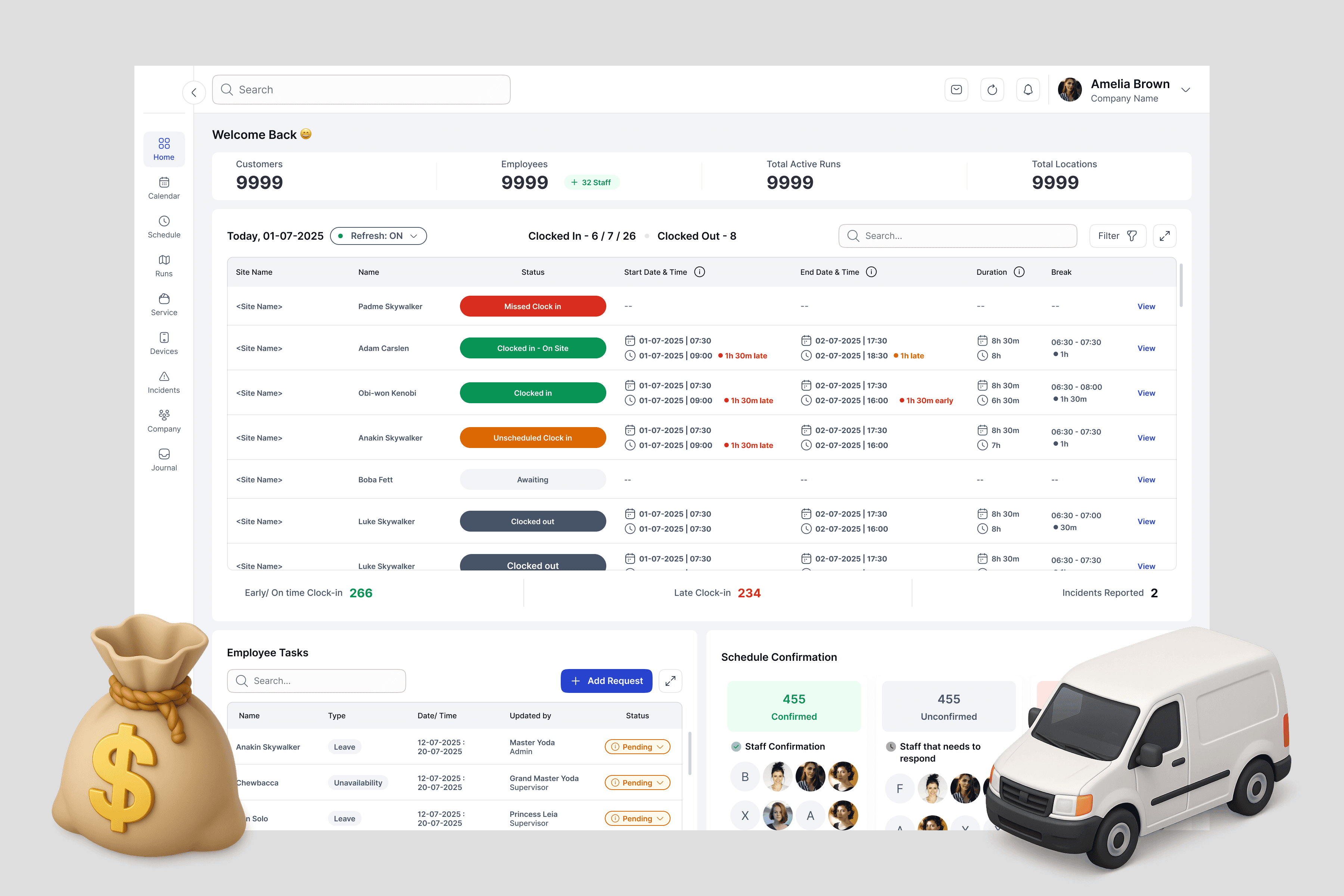
Designing an AI Chatbot for a P2P Energy Trading Platform
Project Overview
Services:
UI/UX, AI
Problem Statement
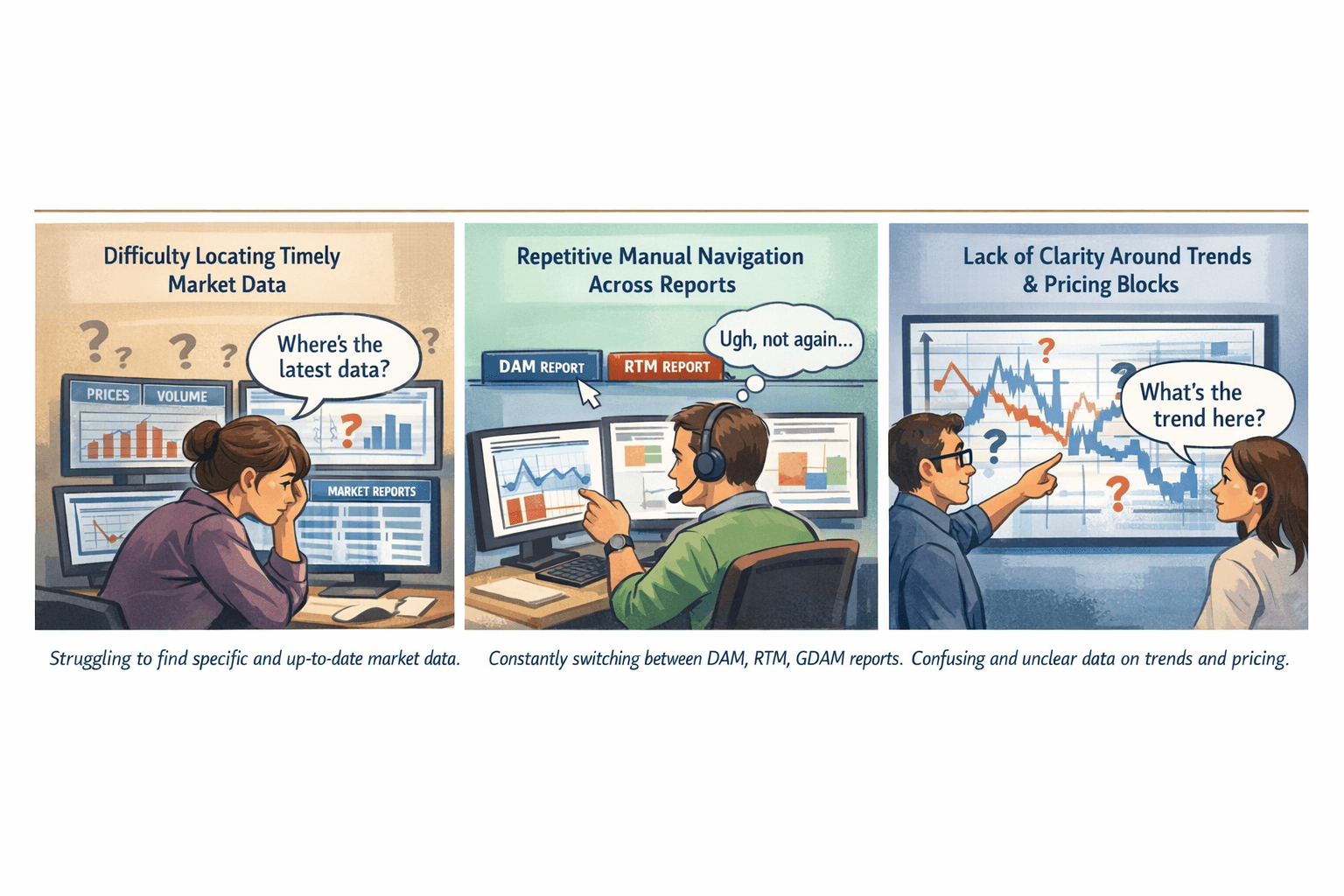
The energy trading domain is data-heavy and complex. Users (including traders, analysts, and operations teams) faced challenges in accessing relevant data such as market prices, traded volumes, and financial results. Common issues included:
Difficulty locating timely, specific market data
Repetitive manual navigation across DAM, RTM, and GDAM reports
Lack of clarity around trends and pricing blocks
Goals
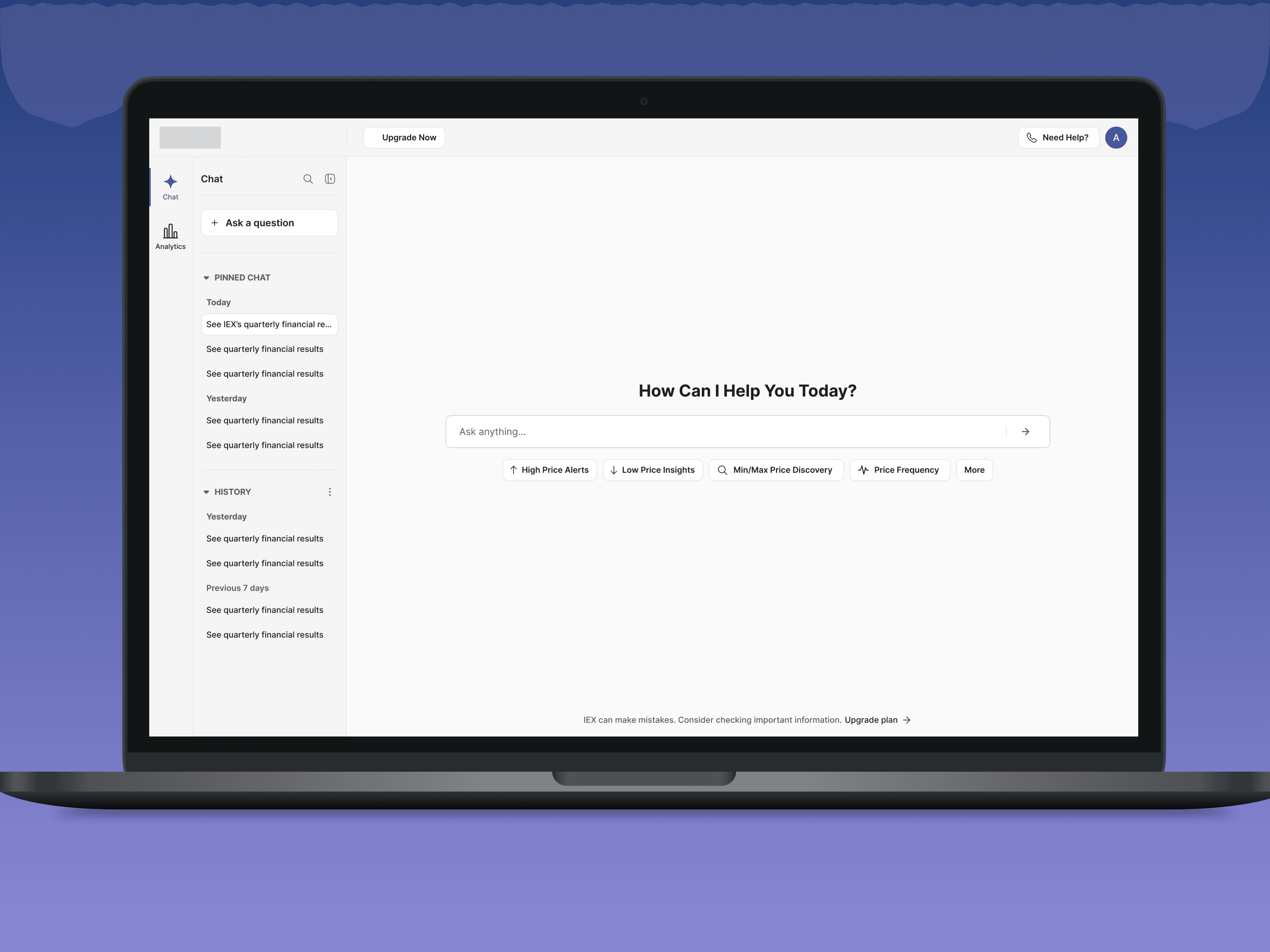
Provide fast, natural-language access to electricity market data
Make financial and trading metrics easily searchable via chatbot
Reduce dependency on manual browsing of data-heavy reports
Enhance transparency and support timely decision-making
Process
The process began with a clear understanding of stakeholder inputs and internal user insights. From there, I streamlined four core areas into a unified workflow:
Understanding User Needs & Data Priorities: Repetitive questions around time blocks, pricing, and volumes highlighted the need for direct and precise access. The team’s familiarity with terms like 'DAM', 'RTM', and 'GDAM' influenced the structure.
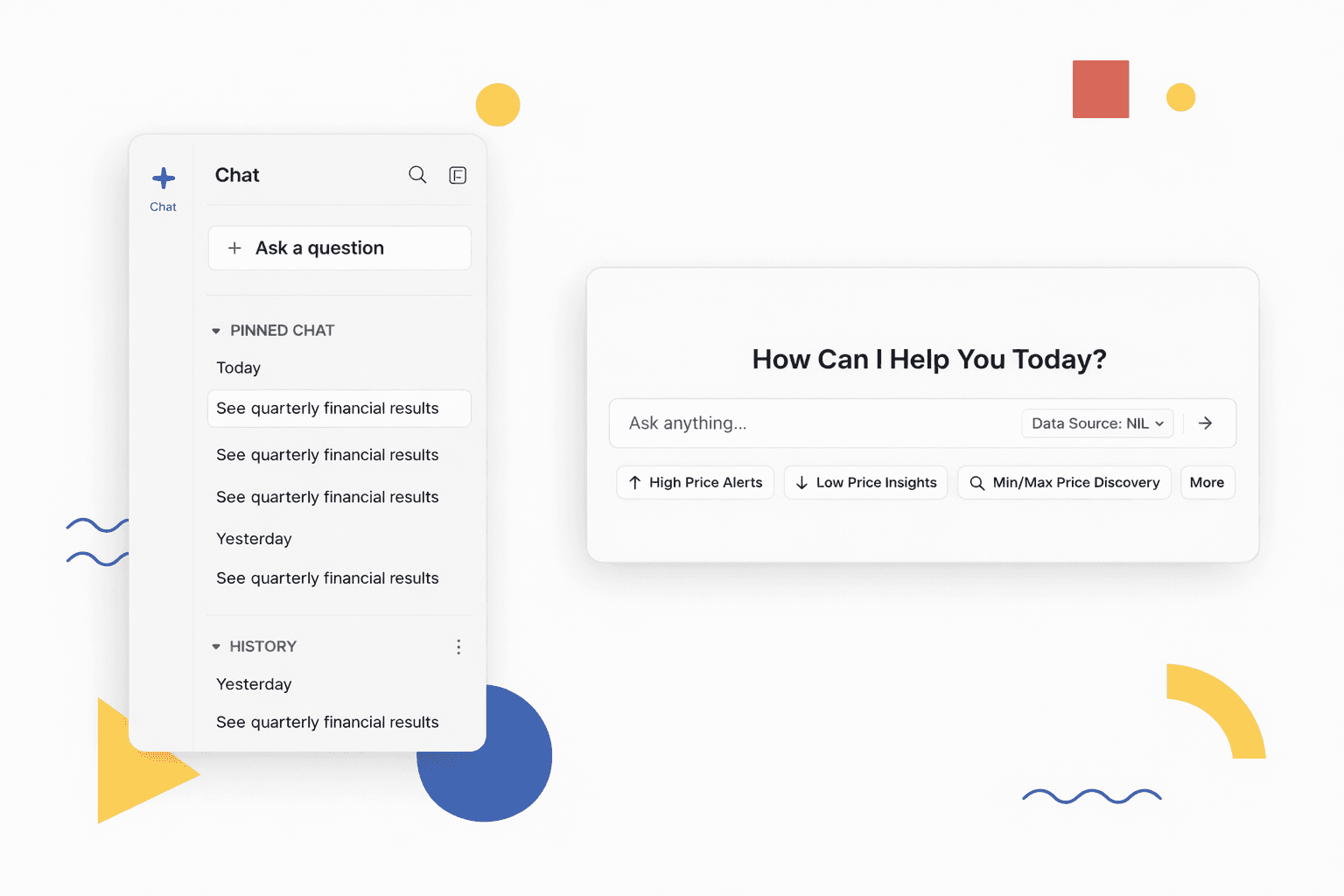
Structuring Content Access: Designed intuitive prompt categories such as Market Prices, Volume Traded, and Forecasting to improve searchability.
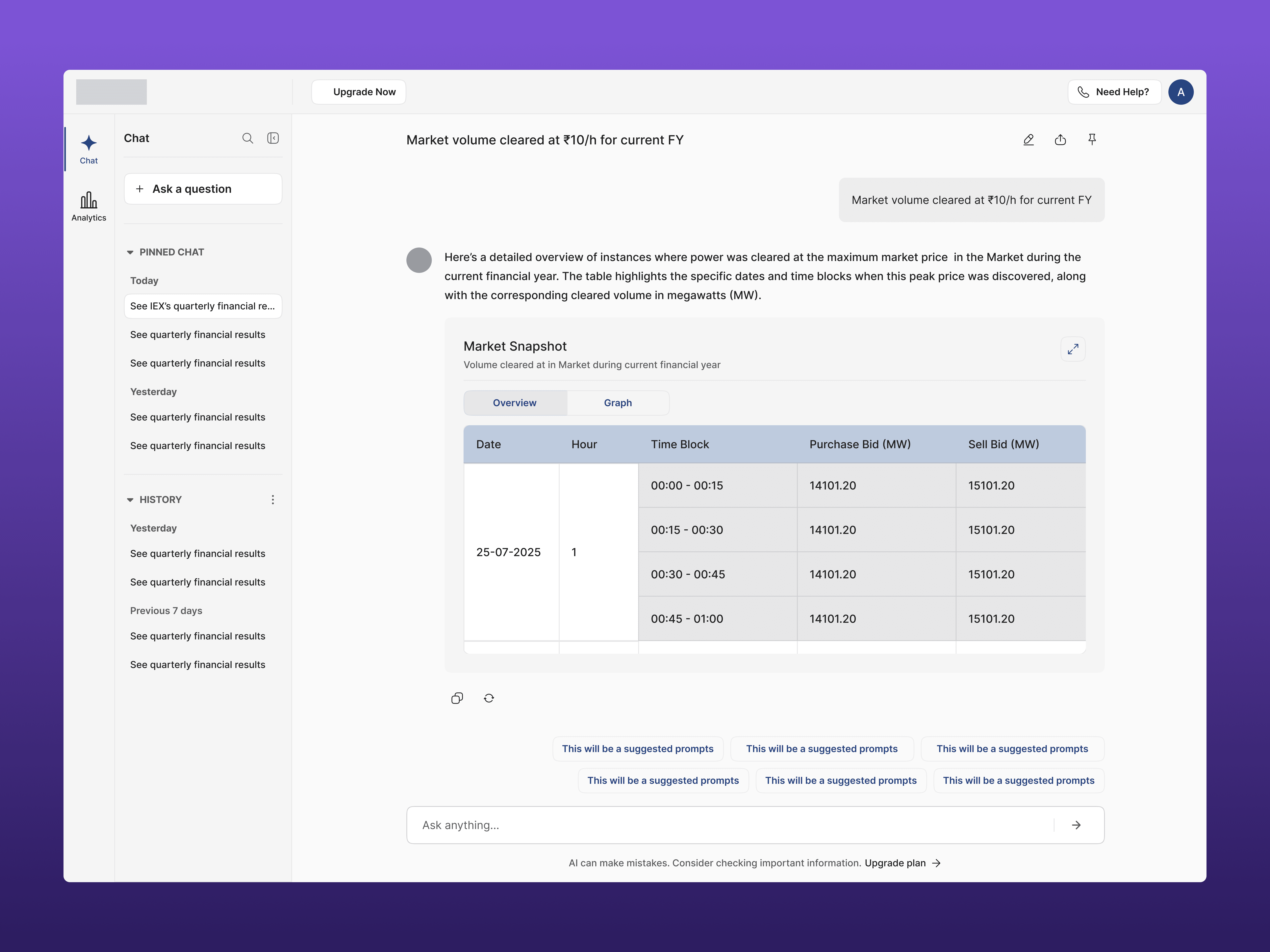
Designing Smart Prompts: Created natural language prompts to handle flexible queries like “Show volume cleared above ₹5/kWh” or “Max price discovered in RTM this FY,” enabling smart data retrieval.
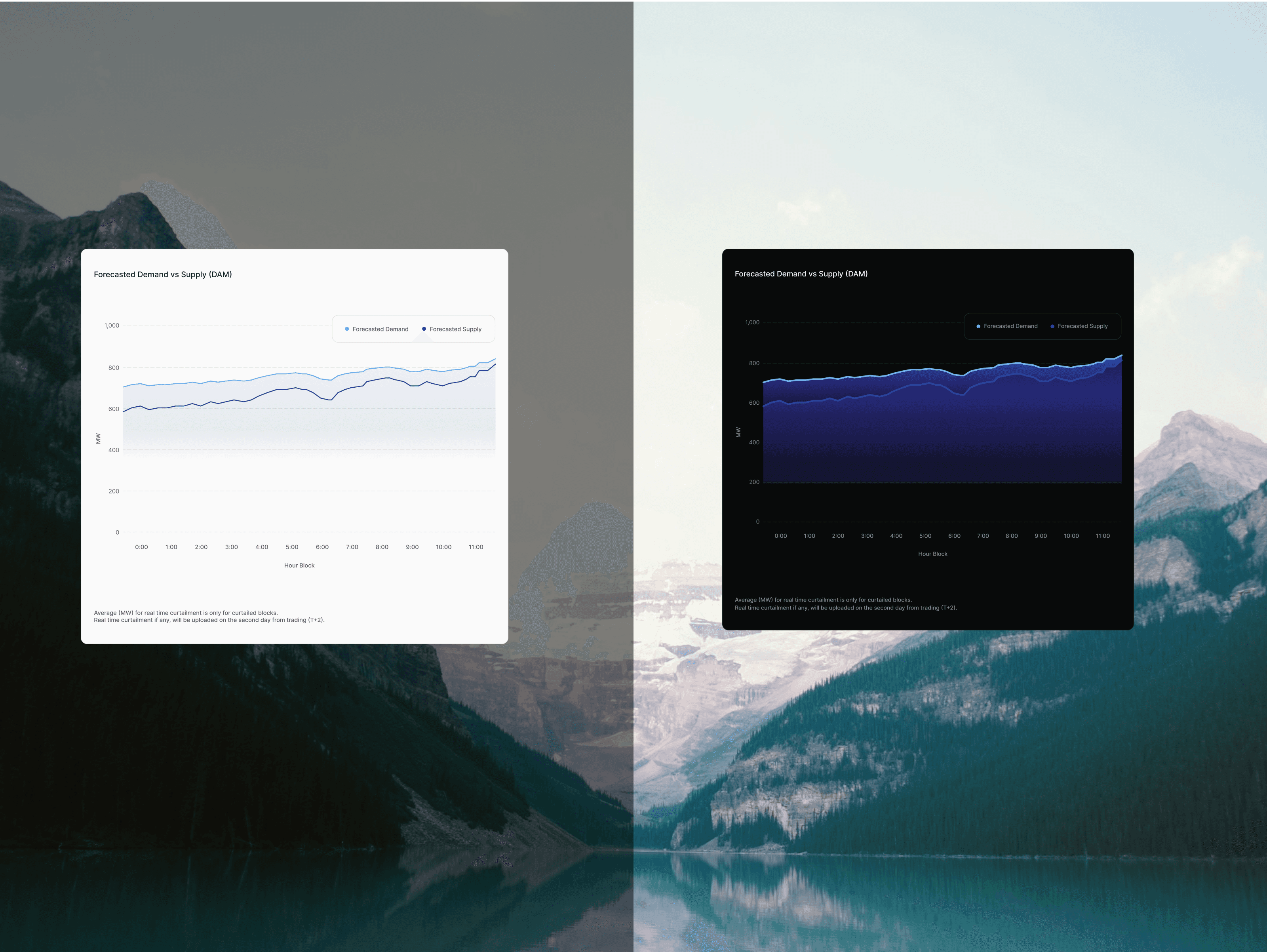
Crafting a Seamless Interaction Flow: Built a lightweight, floating chatbot UI with prompt carousels, summary-first responses, and on-demand visuals (tables/graphs), making dense data easy to digest.
Key Learnings
Designing for a technical audience means prioritizing speed and clarity over embellishments.
Categorizing prompts boosted discoverability and reduced user friction.
Users preferred graphical answers only when paired with brief summaries for quick interpretation.
01.
AI-assisted Domain Research
Getting the system live was more valuable than polishing every detail. It gave us something to test, use, and improve.
03.
Simplifying Complex Information
Collective ownership led to smarter solutions and more buy-in.
04.
Accelerating Design Exploration
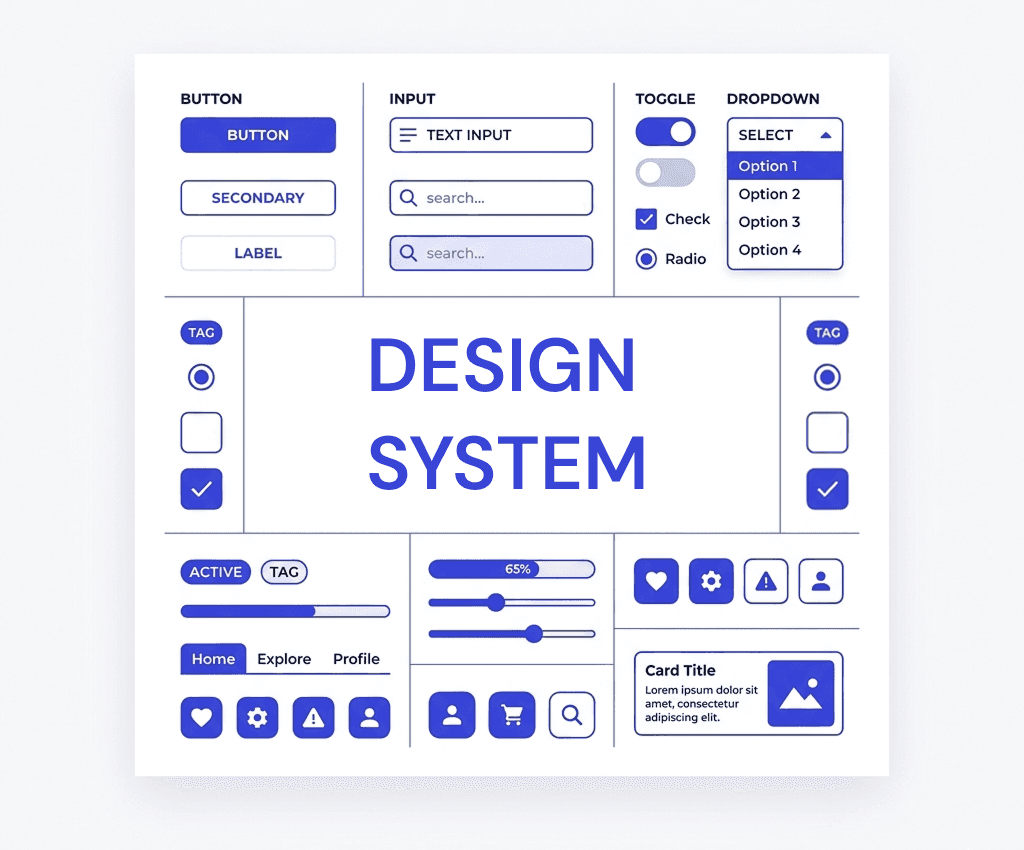
Figma tokens and variables made theming, scaling, and iterating less chaotic.
02.
Improving Clarity
The system we launched wasn’t the final one. And that was intentional - we built it to grow.
Reflection
Working in the energy trading space demanded a UX approach that balanced accuracy, efficiency, and domain literacy. Designing the chatbot taught me how natural language systems can humanize dense data ecosystems — especially when prompts, feedback, and visualizations are tailored with intention. The project reaffirmed the importance of deeply understanding user vocabulary and workflows before solving for UI.