Digitising a Multi-Service Security Provider
Project Overview
Services:
UX Research, Dashboard Design & Mobile App Design
Key Challenges
Complex, multi-layered services required extensive virtual walkthroughs to fully understand operations.
Certain stakeholders had fixed preconceptions, requiring strategic negotiation to align with UX best practices.
Tight timelines demanded flexibility and overlapping execution phases.
Approach & Process
1. Stakeholder Engagement
We conducted in-depth interviews to understand not just functional requirements, but also motivations, pain points, and long-term goals. Drawing on Nielsen Norman Group’s UX maturity frameworks, we aligned the solution with the client’s decision-making processes and communication styles.
2. Information Architecture & Service Mapping
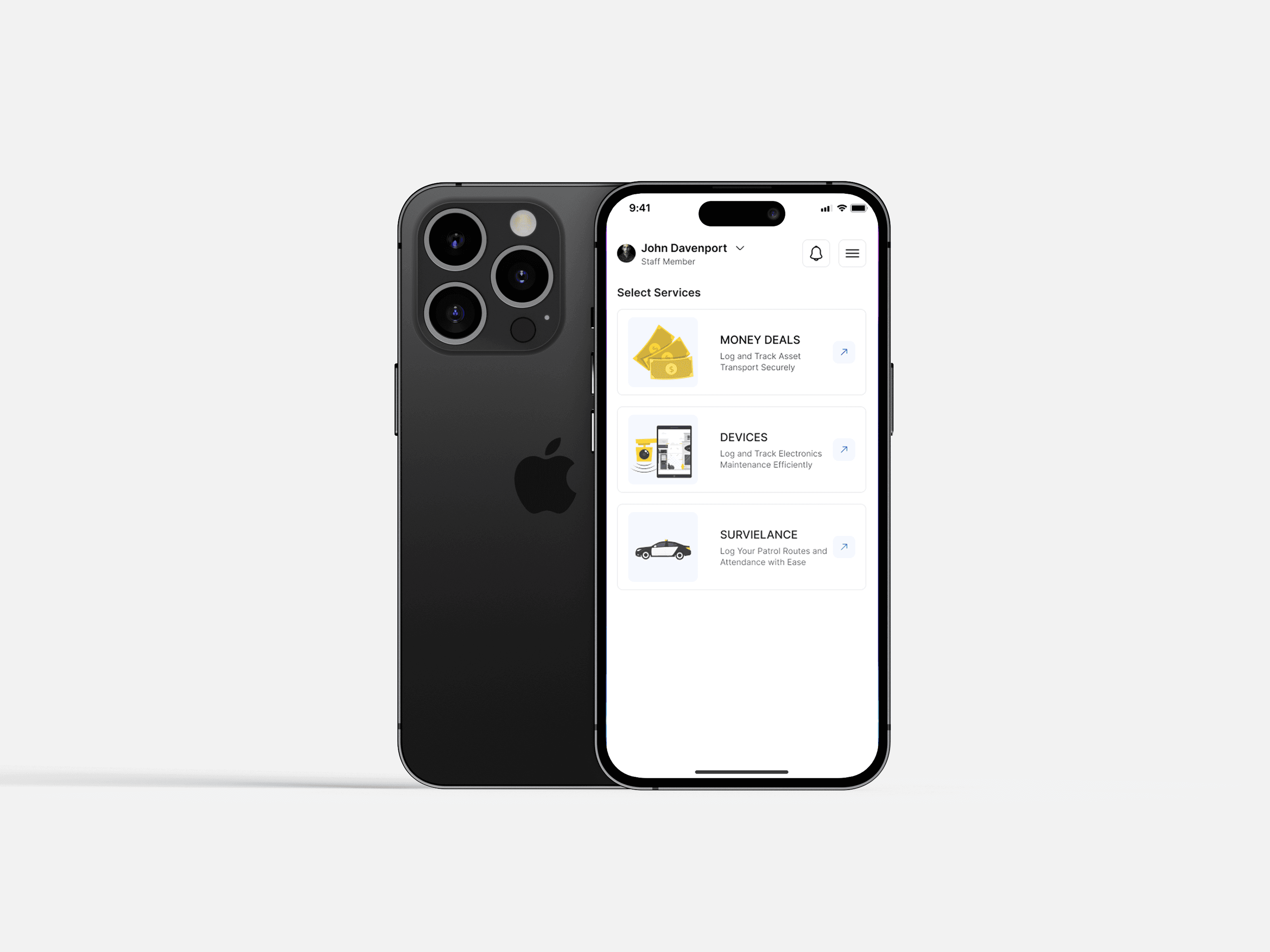
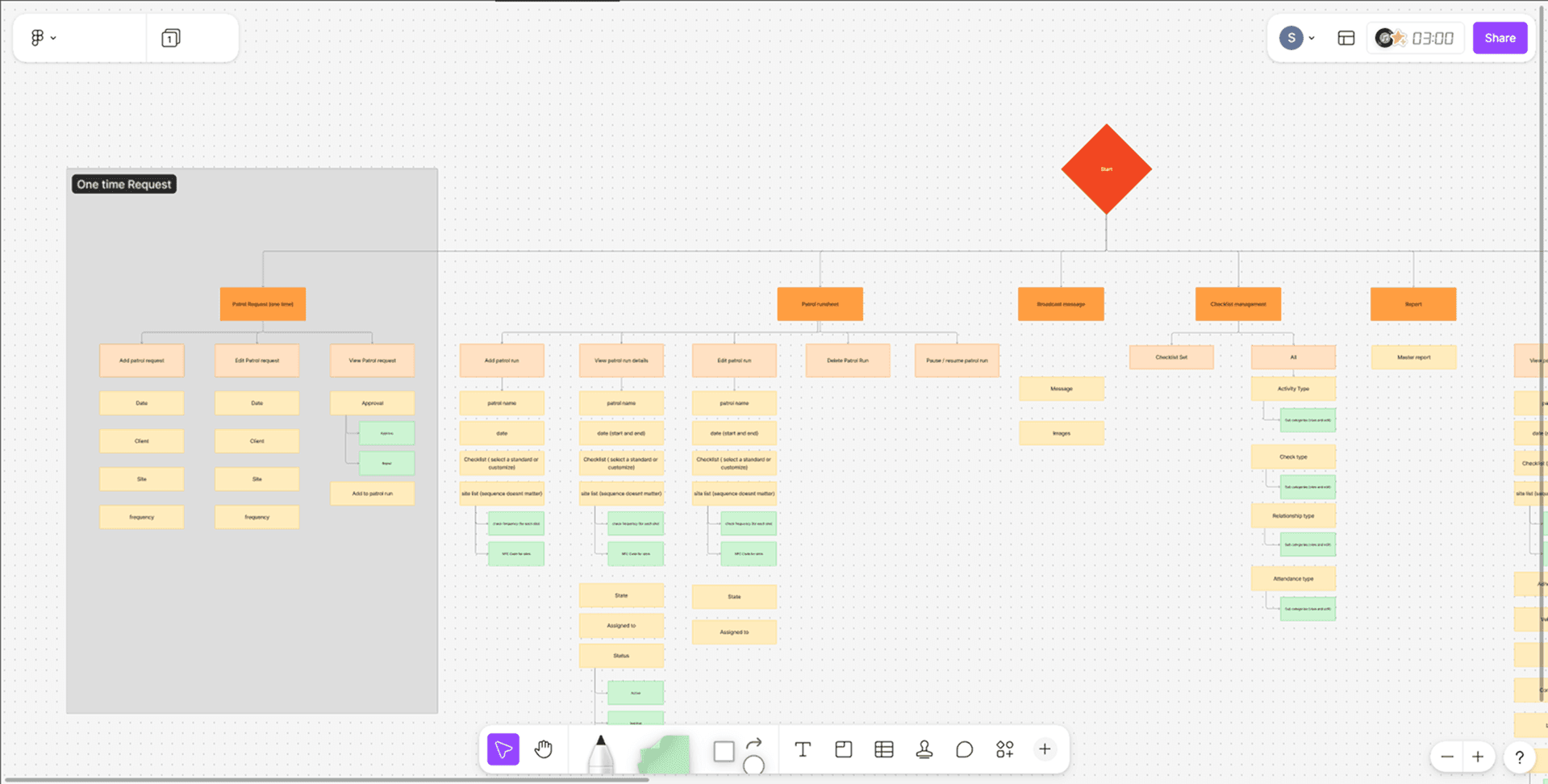
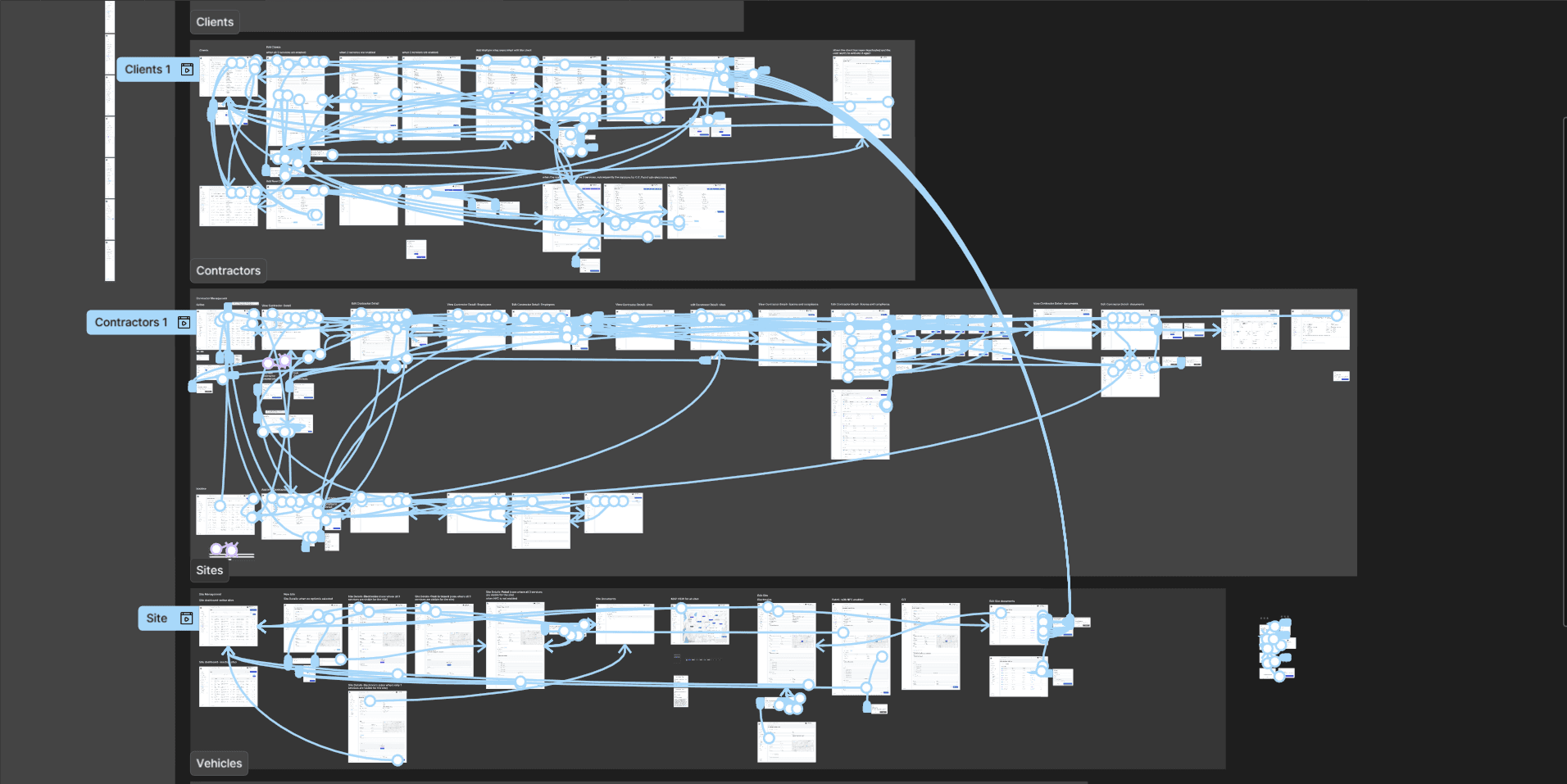
Each service — from secure transport to patrol deployment — was mapped into functional flows. This guided the platform’s structure, ensuring clarity for both operational staff and executives.
3. High-Fidelity First Approach
Low-fidelity wireframes failed to engage stakeholders, so we opted for high-fidelity prototypes from the outset. This allowed stakeholders to visualise the product in near-final form early, accelerating feedback and approvals.
4. Design System Creation
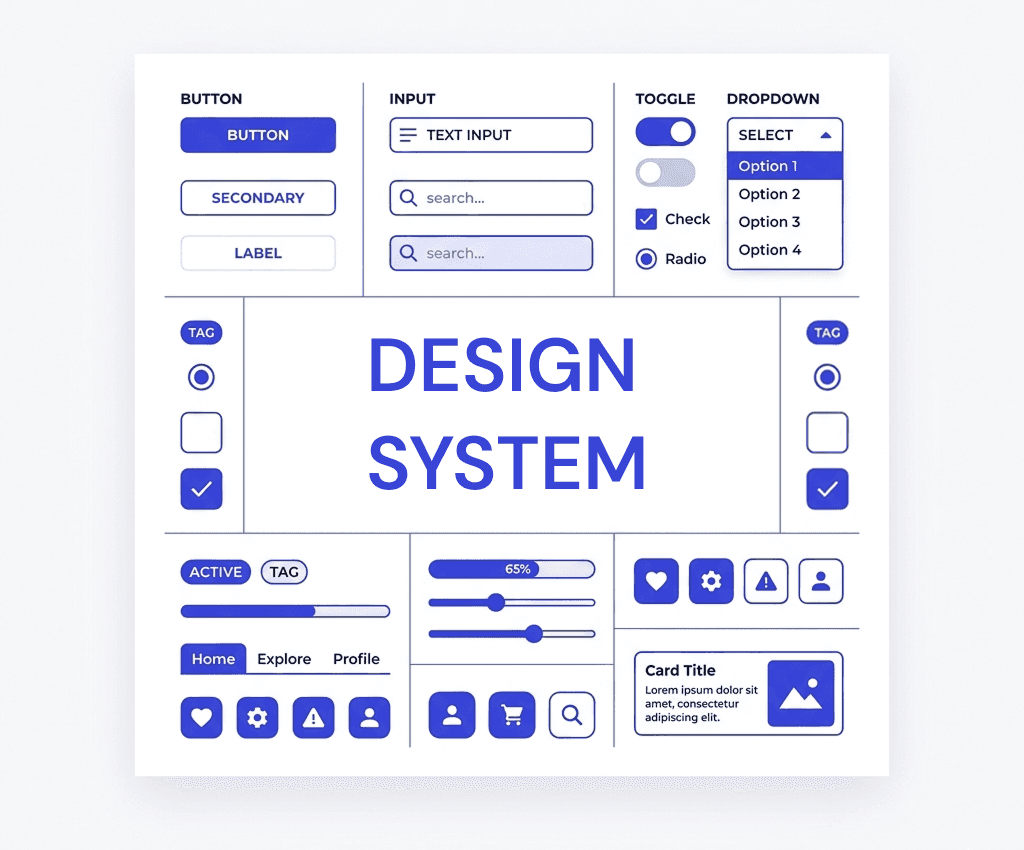
We built a modular, living design system in Notion, inspired by Brad Frost’s Atomic Design principles, including:
Component libraries for reusability.
Visual guidelines for consistency.
Linked asset references for faster handovers.
5. Feedback & Iteration Loops
Detailed documentation of all review sessions created a clear decision trail. This ensured no feedback was lost and allowed future designers to quickly understand design rationale.
Outcome
The final platform unified all services into a cohesive interface, delivering:
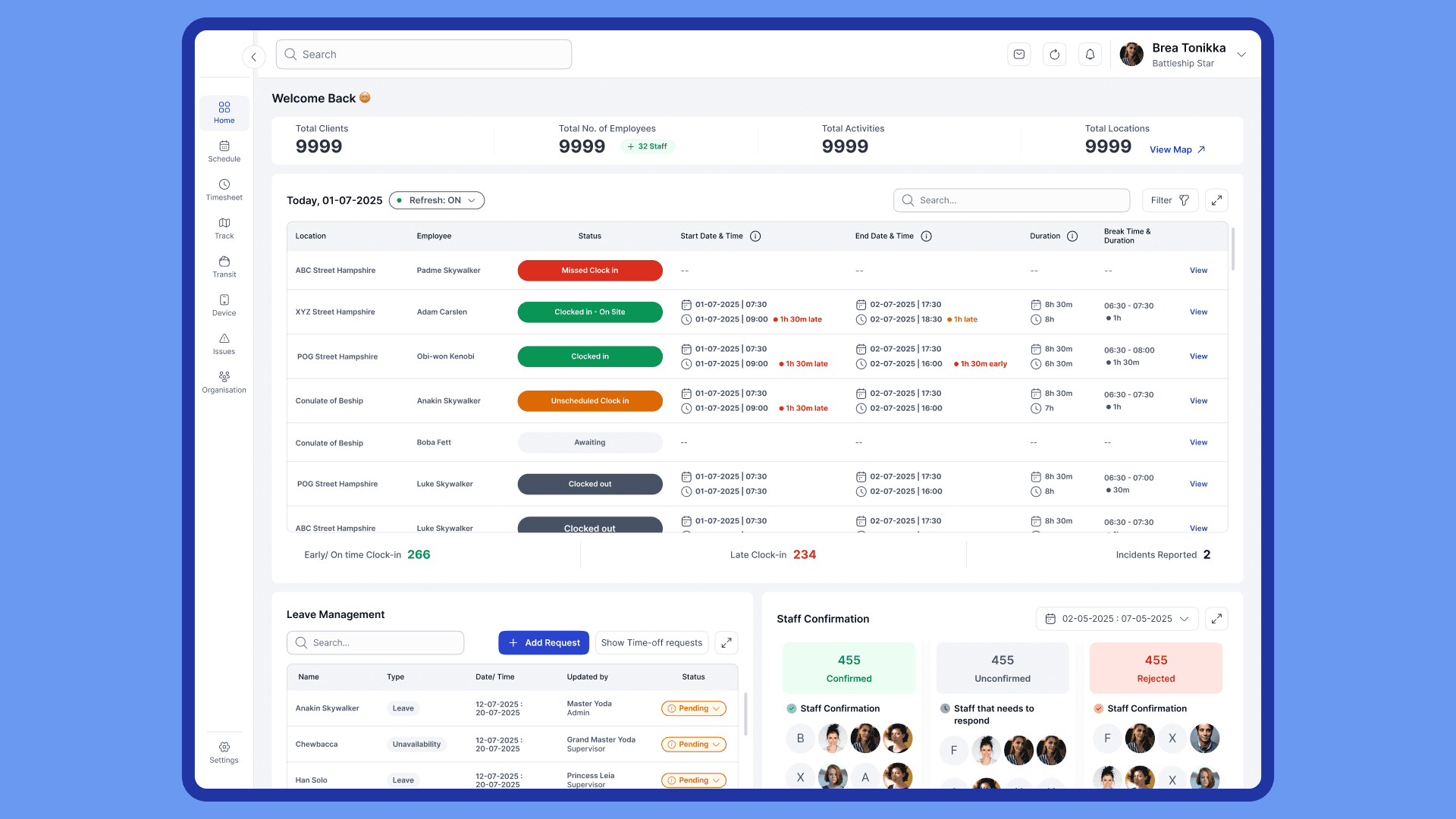
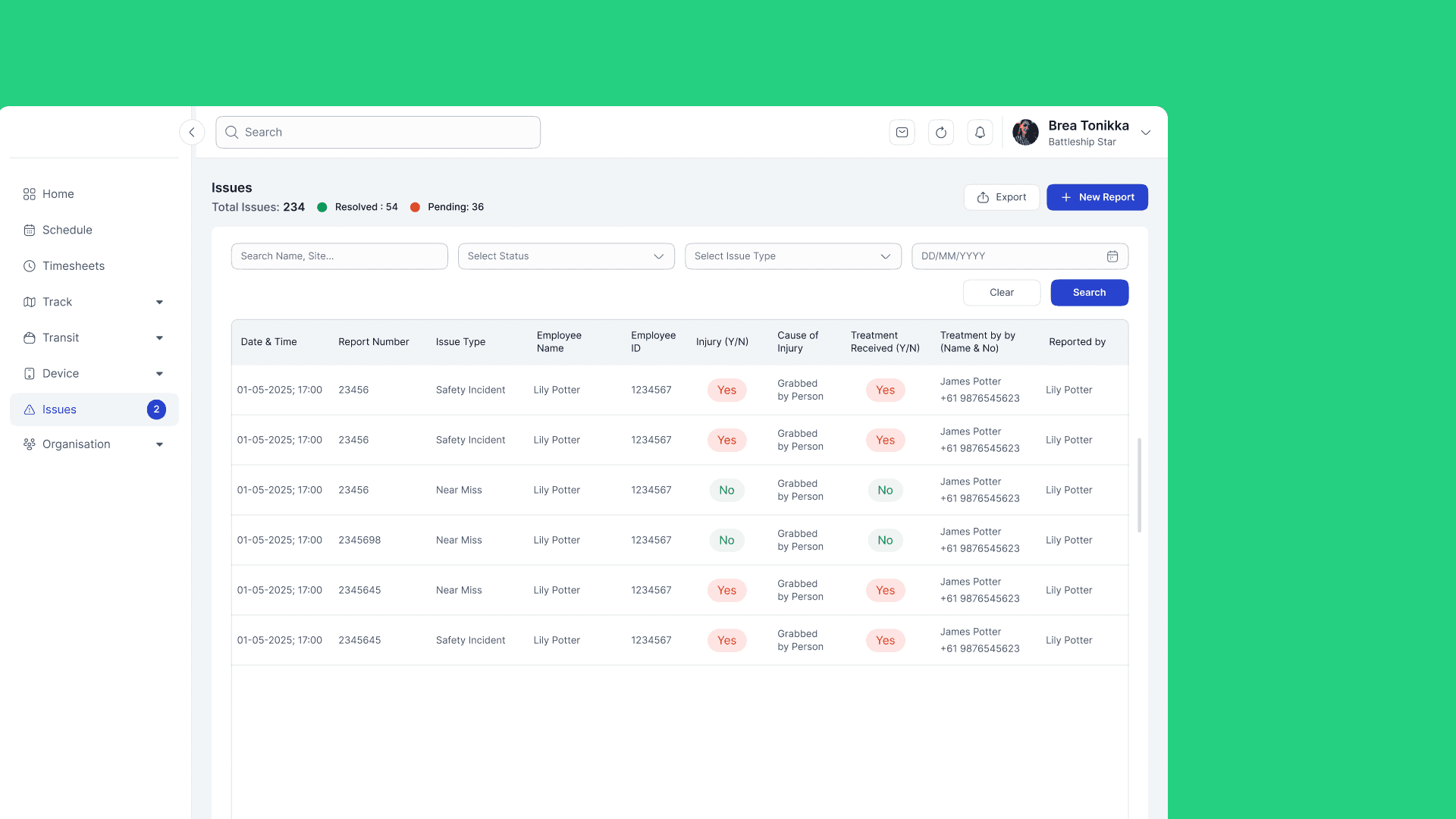
A central operations dashboard with real-time updates.
Role-based views tailored to different stakeholder needs.
A documented design system enabling faster future iterations.
Post-deployment, operational reporting time dropped by ~35%, and stakeholder satisfaction rose significantly based on internal surveys.
01.
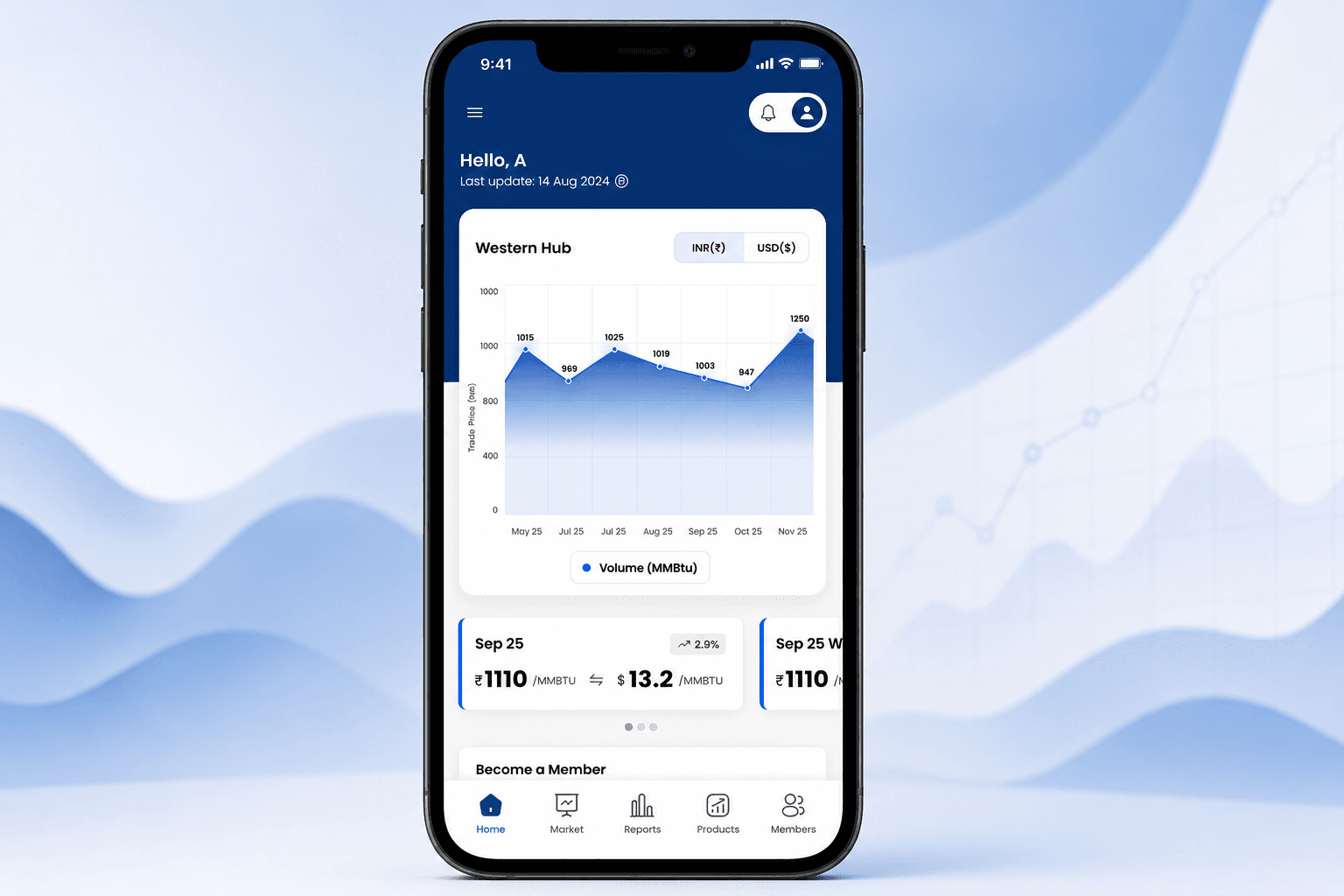
Trend-first Visualization
Focused on market movement and price trends over decorative visuals to improve data interpretation speed.
03.
Clear Market Signals
Highlighted anomalies, spikes, and high-activity hubs to help users identify opportunities faster.
04.
Reduced Cognitive Load
Minimized unnecessary interactions and simplified data presentation to improve readability on smaller screens.
02.
Scannable Analytics
Used compact analytics cards and structured layouts for quick comparison across sectors, fuels, and contracts.
Key Takeaways
Early and consistent stakeholder engagement builds alignment and trust.
A high-fidelity-first approach can fast-track comprehension in certain contexts.
Well-maintained documentation is as vital as the design deliverables themselves.
Balancing differing perspectives requires adaptability and clear communication.
Reflection
This project reaffirmed that successful UX work isn’t just about creating functional designs — it’s about deeply understanding the client’s operational reality, aligning with stakeholder expectations, and adapting processes to meet them. The result was not just a digitized service suite, but a foundation for a more agile, future-ready operation.